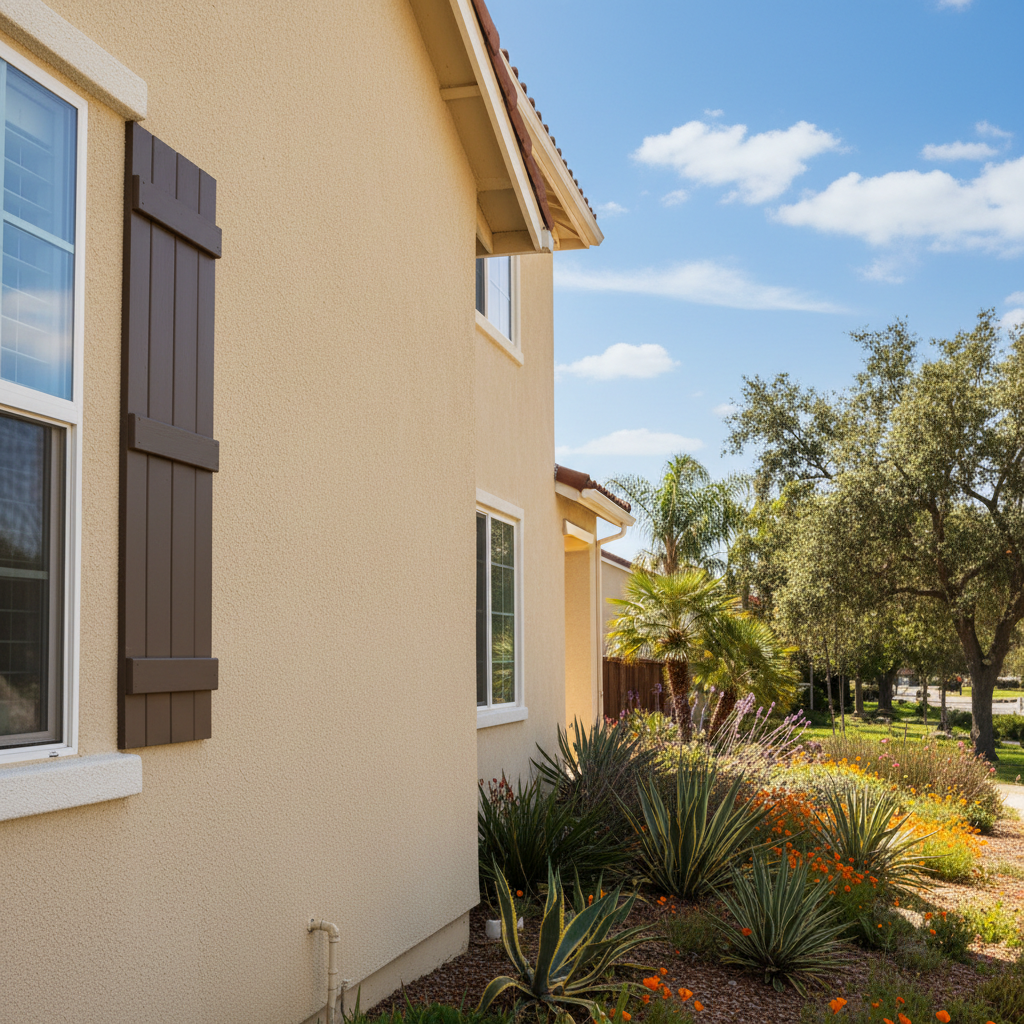
So, you've got Exterior Insulation and Finish Systems (EIFS) on your place here in Fullerton. Maybe you bought a house with it, or you had it installed for its energy efficiency and design flexibility. Either way, you want it to last, right? EIFS is tough, but it's not a "set it and forget it" kind of thing. Just like anything else on your home, a little attention goes a long way.
Extending the Life of Your EIFS
The biggest thing you can do to make your EIFS last longer is simple: keep it clean and keep water away from it. Seriously, that's 90% of the battle. EIFS is designed to shed water, but if water gets behind it and can't drain, that's when you run into trouble. We're talking about a system that's great for insulation, but it needs regular care to perform.
- Keep an eye on your gutters and downspouts. Make sure they're clear and directing water well away from your foundation. Overflowing gutters are a prime culprit for water getting in, especially with our occasional heavy winter rains here in Southern California.
- Trim back landscaping. Bushes and trees too close to the EIFS can trap moisture against the wall, block the sunlight needed for drying, and even physically damage the finish. Give your walls some breathing room, okay?
- Clean regularly. I'm not talking about power washing, which can actually damage the EIFS finish. A soft brush, mild detergent, and a garden hose are usually all you need. Do this once a year, or more often if you're near a dusty road or have a lot of tree sap falling.
- Check sealants and caulking. Look around windows, doors, and any penetrations (like hose bibs or dryer vents). These spots are critical. If the caulk is cracked, peeling, or missing, that's an open invitation for water. Re-caulk with a high-quality, flexible sealant made for exterior use.
What Regular Maintenance Looks Like
Think of it like checking the oil in your car. It's not a huge job, but skipping it can lead to big problems. For EIFS, a regular walk-around inspection is your best friend.
Every six months or so, take a good, close look at all your EIFS surfaces. Walk all the way around your house. Get up on a ladder if you can safely, especially to check those areas under eaves or around second-story windows. Look for anything out of the ordinary.
After a heavy rain, it's a great time to inspect for any signs of water pooling or streaking in unusual places. Our dry Fullerton climate means any persistent dampness is a red flag.
Warning Signs of Problems
Knowing what to look for can save you a bundle down the road. These are the things that tell me, as a contractor, that there might be a bigger issue brewing:
- Cracks: Hairline cracks are pretty normal with any exterior finish due to expansion and contraction. But if you see cracks that are wider than a credit card, or if they're running in a spiderweb pattern, that's a concern. Horizontal cracks, especially near the base of the wall or around openings, are also worth investigating.
- Bulges or Soft Spots: If you press on the EIFS and it feels spongy, or you see a section that's bulging out, that usually means water has gotten behind the system and is affecting the substrate or the insulation. This is a serious sign.
- Discoloration or Stains: Dark streaks, mold, or mildew that keeps coming back after cleaning, especially below windows or at the base of walls, can indicate a consistent water source.
- Peeling or Flaking Finish: The topcoat shouldn't be flaking off in large sections. If it is, the system might be compromised, or the original application wasn't done right.
- Pest Infestation: Sometimes, I see evidence of birds, insects, or even rodents trying to get into the EIFS. They can create holes that let water in.
When to Call a Professional
Look, I'm a big believer in DIY when it makes sense. But with EIFS, especially when you see those warning signs, it's time to call in someone who knows what they're doing. Trying to patch a serious EIFS problem yourself can often make it worse, or just mask the real issue.
You should call Fullerton Stucco & Plastering, or another reputable EIFS specialist, if you notice:
- Any significant cracks, especially if they're growing or letting water in.
- Bulges, soft spots, or areas that feel spongy when you press on them.
- Persistent water stains or mold that you can't clean away, indicating ongoing moisture.
- Damage from impacts, like a car hitting the wall or a tree branch falling on it.
- If you're unsure about the extent of damage or how to properly repair it.
We've worked on EIFS all over Fullerton, from the older homes in the Sunny Hills area to newer commercial buildings. We know the common issues that pop up with our specific climate and building styles. Don't wait until a small problem turns into a major, expensive repair. A professional inspection can pinpoint the issue and get it fixed right, protecting your investment for years to come.