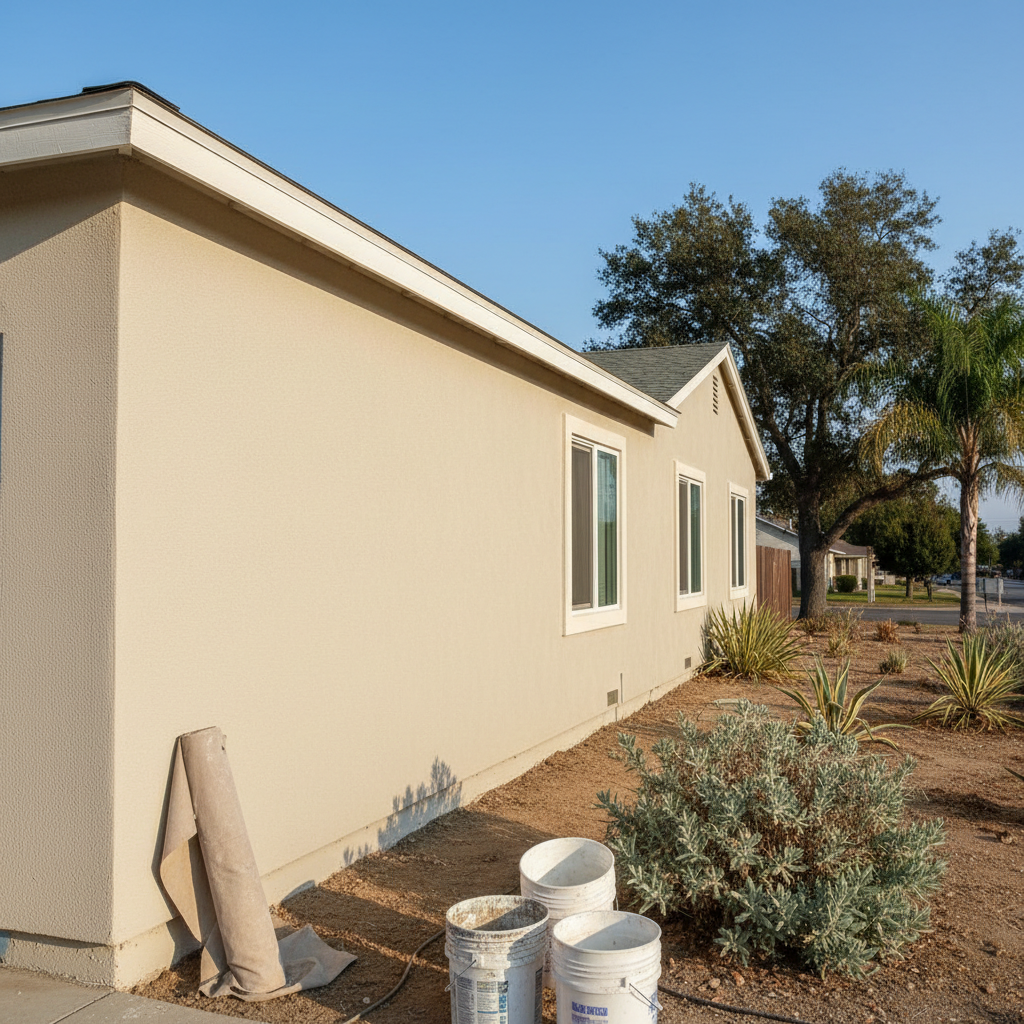
Alright, let's talk about stucco inspections. You've got a stucco home here in Fullerton, and maybe you've noticed a crack, a stain, or you're just being proactive. Good for you. But then the question hits: what's this going to cost?
First off, don't just pick the cheapest guy. A stucco inspection isn't like buying a gallon of paint; you're paying for expertise, not just someone to walk around your house. A proper inspection can save you thousands down the line by catching problems early, you know?
What Drives the Price of a Stucco Inspection?
A few things really push the price up or down when it comes to getting your stucco checked out. It's not just a flat fee, and anyone who gives you one without asking questions probably isn't doing a thorough job.
- Size of Your Home: This is a big one. A small 1,200 sq ft bungalow in the Sunny Hills area is going to be a lot quicker to inspect than a sprawling 3,500 sq ft two-story house near Cal State Fullerton. More surface area means more time, more ladders, and more detail.
- Accessibility: Can we easily get to all parts of your stucco? If we need special equipment, like a lift or extensive scaffolding, because of steep grades, landscaping, or multiple stories, that's going to add to the cost. If your house is tucked away on a hillside with limited access, expect to pay a bit more for the extra effort involved.
- Scope of the Inspection: Are you just looking for a general health check, or do you have specific concerns, like a suspected leak around a window or a recurring crack? A targeted inspection for a specific issue might be cheaper than a full, wall-to-wall assessment. But honestly, a full assessment is usually what you need.
- Technology Used: Some inspectors use thermal imaging cameras, moisture meters, or even boroscopes to look inside walls without destructive testing. These tools are fantastic for finding hidden problems, but they're specialized equipment, and the expertise to use them correctly adds value (and cost) to the service.
- Report Detail: A simple verbal report is one thing. A comprehensive written report with photos, diagrams, and recommendations for repair or maintenance? That takes time to compile and is usually what you're paying for with a professional inspection.
Typical Cost Ranges for Stucco Inspections in Fullerton
Okay, let's get to some numbers. Again, these are ranges, but they'll give you a solid idea of what to expect.
- Basic Visual Inspection (Small to Medium Home, <2000 sq ft): For a general walk-around, visual check for obvious issues, and a verbal summary, you might see prices from $250 to $450. This is good for a quick check, but it's not going to catch hidden moisture.
- Comprehensive Inspection (Medium to Large Home, 2000-3500 sq ft): This is what most homeowners need. It includes a detailed visual inspection, moisture meter readings at key points (windows, doors, penetrations), thermal imaging if necessary, and a written report with photos. Expect to pay anywhere from $500 to $900.
- Large or Complex Homes (>3500 sq ft, or specific issues): For really big houses, homes with difficult access, or if you suspect significant hidden damage requiring more invasive testing (like drilling small holes to confirm moisture), the cost can go from $900 to $1,500+. This might include more extensive moisture mapping or boroscope use.
Remember, these are for a dedicated stucco inspection. A general home inspector might do a quick visual as part of a whole-house inspection, but they're not specialists in stucco and won't go into the depth a dedicated stucco pro will.
What Should Be Included in a Good Stucco Inspection Quote?
When you get a quote, make sure it spells out exactly what you're getting. Here's what I'd expect to see:
- Detailed Visual Assessment: Every wall, every corner. We're looking for cracks, delamination, efflorescence, staining, and proper flashing details around openings.
- Moisture Meter Readings: Crucial for finding hidden water intrusion. They should take readings around all windows, doors, rooflines, and any areas showing visual signs of moisture.
- Thermal Imaging (Optional but Recommended): This can help pinpoint temperature differences that indicate moisture or missing insulation behind the stucco.
- Penetration Checks: Looking at all the places something goes through the stucco – pipes, vents, electrical conduits – to ensure they're properly sealed.
- Detailed Written Report: This is non-negotiable. It should include photos of problem areas, a description of the issues found, and clear recommendations for repair. It's your roadmap for what to do next.
- Discussion of Findings: The inspector should walk you through their findings and answer your questions.
How to Avoid Overpaying for Your Stucco Inspection
You don't want to get ripped off, but you also don't want to skimp on something this important. Here's how to navigate it:
- Get Multiple Quotes: Always get at least two, maybe three, quotes from reputable stucco inspection specialists. Compare what they offer, not just the bottom line.
- Ask for References: A good inspector will have plenty of happy clients. Call them.
- Check Credentials: Look for inspectors with specific certifications related to stucco or building envelope inspections. While not always required, it shows dedication to the craft.
- Understand the Report: Make sure you understand what you're getting in the report. Is it just a checklist, or a detailed analysis?
- Beware of Upselling: Some inspectors might try to scare you into immediate, expensive repairs. A good inspector will give you the facts and let you decide, or recommend a qualified contractor (like Fullerton Stucco & Plastering!) for repair estimates. Their job is to inspect, not to sell you repairs on the spot.
A thorough stucco inspection is an investment in your home's longevity and your peace of mind. Don't treat it as an expense to be minimized, but rather a critical step in maintaining your property. Get it done right, and you'll thank yourself later.