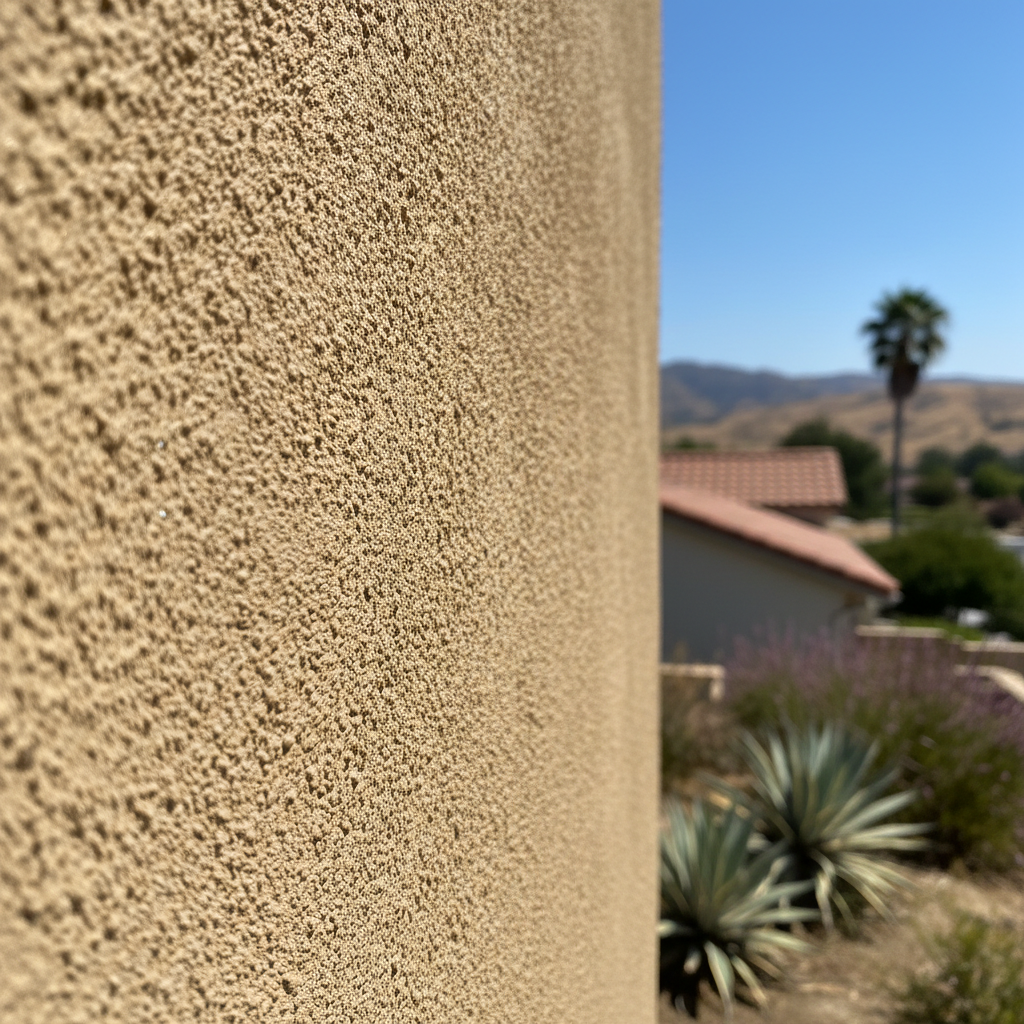
When should I get a stucco inspection?
This is probably the most common question I get. Look, you don't need an inspection every year like you might for an HVAC system. But there are definitely key times when it's a smart move. If you're buying or selling a home, it's almost non-negotiable. A pre-purchase inspection can save you a ton of headaches and money down the line, uncovering issues before they become your problem. For sellers, it gives you a clean bill of health or lets you address problems proactively, which makes your home more attractive to buyers. Beyond real estate transactions, if you notice any visible signs of trouble – cracks, discoloration, bulging, or water stains inside your home near stucco walls – get it checked out. Also, after a major weather event, like those really heavy rain seasons we've had recently, it's not a bad idea to have someone take a look, especially if your home is older or you suspect there might be existing issues.
What exactly are inspectors looking for?
We're not just glancing at the walls. A thorough stucco inspection is about looking for signs of moisture intrusion and structural integrity issues. We're checking for cracks – not all cracks are bad, but we're looking for patterns, sizes, and locations that indicate deeper problems. We're also checking for delamination, which is when the stucco separates from the substrate. We'll look at the weep screed, which is that metal strip at the bottom of your stucco wall, to make sure it's properly installed and not buried, allowing water to escape. Windows, doors, and other penetrations are critical points; we're checking flashing and sealants around them because these are common entry points for water. We're also looking for signs of mold or mildew, efflorescence (white mineral deposits), and any areas where the stucco might be soft or crumbling. It's a comprehensive visual and sometimes invasive process, depending on what we find.
Can I just do a DIY inspection myself?
You can definitely do a visual check, and I encourage it! Walk around your house, look for obvious cracks, discoloration, or anything that just doesn't look right. Pay attention to areas under windows or near downspouts. If you see anything suspicious, that's your cue to call a pro. But a true, comprehensive stucco inspection goes way beyond what most homeowners can do themselves. We use specialized tools like moisture meters to detect hidden water behind the stucco, which you can't see with the naked eye. We know the building codes and the common failure points for stucco systems, especially with the different types of construction you see in Fullerton, from the older homes in the historic districts to newer developments. A DIY check is a good first step, but it's not a replacement for a professional assessment.
What's the difference between a visual and an invasive inspection?
A visual inspection is exactly what it sounds like: we're looking at everything we can see from the outside. We're checking for visible cracks, stains, proper flashing, and overall condition. We'll use moisture meters on the surface to see if there are elevated moisture readings. This is often enough to identify obvious problems or give you peace of mind. An invasive inspection, though, is a deeper dive. If a visual inspection or moisture readings indicate potential hidden issues, we might need to make small, strategic cuts or drill tiny holes in the stucco to get a better look at what's going on underneath. We can then use borescopes (small cameras) to inspect the sheathing and framing for rot or mold. We'll patch everything up perfectly afterward, of course. It's a more definitive way to assess the extent of water damage, but it's only done when necessary and with your explicit permission.
How long does a stucco inspection take?
The time it takes really depends on the size and complexity of your home, and what we find. For an average single-family home here in Fullerton, a thorough visual inspection might take anywhere from 2 to 4 hours. If it's a larger property, or if we uncover issues that warrant a more detailed or even invasive look, it could take longer, sometimes a full day. We don't rush these things because missing something can be really costly down the road. We're meticulous because we want to give you the most accurate picture of your stucco's health.
What happens after the inspection?
After we're done, you'll get a detailed report. This isn't just a quick checklist; it's a comprehensive document outlining our findings. It'll include descriptions of any issues, photos of problem areas, and often recommendations for repairs or maintenance. We'll sit down with you and go over everything, explaining what it all means in plain English. If repairs are needed, we can discuss options, whether it's a simple patch job or something more extensive like a full stucco remediation. My goal at Fullerton Stucco & Plastering isn't just to find problems, but to help you understand them and figure out the best, most cost-effective way to fix them. We want you to be informed and confident in your next steps.