Thinking You Can DIY Every Stucco Repair
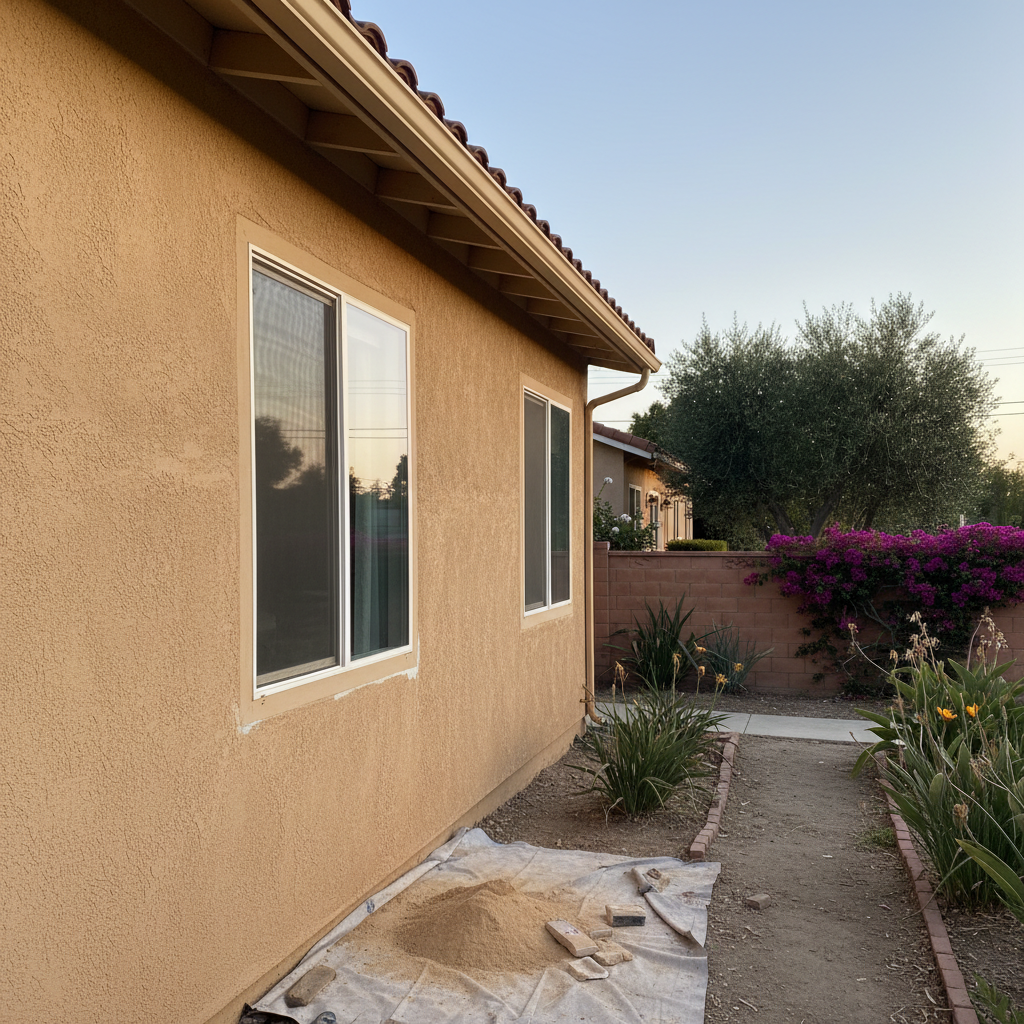
Look, I get it. You're handy, you've watched a few YouTube videos, and you figure a small crack is no big deal. But here's the thing: stucco isn't like patching drywall. It's a multi-layered system designed to protect your home from the elements. A tiny crack can be a symptom of a much larger issue, like water intrusion or structural movement. If you just slap some caulk on it, you're not fixing the problem; you're just putting a band-aid on a bullet wound. I've seen homeowners in places like the Sunny Hills neighborhood try to tackle what they think are minor repairs, only to find out later they've trapped moisture, leading to dry rot or mold behind the walls. That's a significantly more expensive fix than addressing it correctly the first time.
Ignoring the Root Cause of Stucco Damage
This ties into the first point. Many folks see a crack or a delaminated patch of stucco and immediately think, "Okay, I need to fix *that*." But why did it crack? Why did it delaminate? Is it poor original installation? Is it water getting in from a leaky gutter or a poorly flashed window? Is your foundation settling? Just repairing the visible damage without understanding the cause is like trying to put out a fire by spraying water on the smoke. The fire's still burning, and it's going to cause more damage. A good contractor, like us at Fullerton Stucco & Plastering, will always investigate the 'why' before jumping to the 'how'. You'll save money and headaches in the long run by getting to the bottom of it.
Choosing the Cheapest Bid Without Asking Questions
Everyone wants a good deal, and there's nothing wrong with that. But when it comes to stucco repair, the cheapest bid is often the most expensive in the end. I've seen countless homeowners regret going with the guy who quoted significantly less than everyone else. Why was he cheaper? Maybe he's cutting corners on materials, using low-quality stucco mix that won't last in our Southern California climate. Maybe he's not licensed or insured, which puts you at huge risk if something goes wrong. Or maybe he's just not experienced enough to do the job right. You need to ask about their process, the materials they use, their licensing, and their insurance. Don't be afraid to ask for references or to see examples of their work. A reputable contractor will be happy to provide all that.
Not Understanding the Scope of Work
You've got a problem area, you get a quote, and you assume it covers everything. Then, halfway through the job, there are "unexpected" costs. This often happens because the homeowner didn't fully understand what was included in the original bid, or the contractor wasn't clear enough. Before any work starts, make sure you have a detailed, written agreement that spells out exactly what's being done. What areas are being repaired? What type of stucco is being used? Is painting included? What's the timeline? What happens if additional damage is found once the old stucco is removed? Get everything in writing. It protects both you and the contractor and prevents nasty surprises.
Neglecting Proper Preparation and Curing
Stucco isn't something you can rush. Proper preparation is key, and that includes things like cleaning the surface thoroughly, applying a bonding agent if needed, and ensuring the substrate is ready. But just as important, especially in our dry Fullerton weather, is the curing process. Stucco needs to cure slowly to achieve maximum strength and durability. This often means keeping it damp for a few days after application. If a contractor rushes this or doesn't explain the importance of it, you're looking at a repair that's more likely to crack, chip, or fail prematurely. Good contractors know this, and they'll factor it into their schedule and instructions to you.
Forgetting About Matching Existing Stucco
This is a big one for curb appeal. Your house has a certain texture and color. When you get a repair done, you want it to blend seamlessly, right? But matching existing stucco isn't always easy. There are different types of stucco finishes – smooth, sand, dash, lace, skip trowel – and getting the texture right is an art form. Then there's the color. Even if you have the original paint code, age and sun exposure can fade existing stucco, making a perfect match difficult. A common mistake is not discussing texture and color matching explicitly with your contractor beforehand. Ask them how they plan to achieve a seamless look. Sometimes, a small repair might necessitate painting the entire wall or even the whole house to get a uniform appearance. Don't assume; discuss it upfront so you're happy with the final result.
Not Planning for Future Maintenance
Once your stucco repair is done, it's not a "set it and forget it" situation. Stucco, like any part of your home, needs a little love to last. That means regular inspections for new cracks, keeping an eye on your gutters and downspouts to ensure water is directed away from your walls, and making sure sprinklers aren't constantly drenching your stucco. Our local climate, with its hot summers and occasional heavy rains, can be tough on exteriors. A little proactive maintenance goes a long way in preventing major repairs down the line. Ask your contractor for tips on how to keep your stucco looking good for years to come.